
Gum Recession: Causes, Treatment, and Prevention
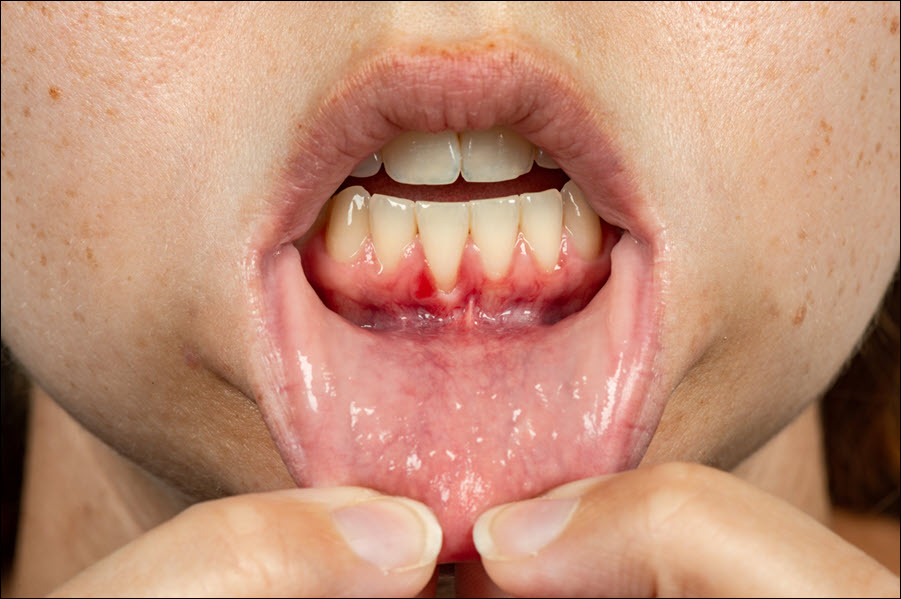
Gum recession occurs when the gum tissue pulls back from the teeth, exposing more of the tooth or even the root. This condition can lead to sensitivity, increased risk of decay, and changes in your smile. Understanding gum recession helps you take action early and protect your oral health.
What Causes Gum Recession?
Several factors contribute to gum recession. Gum disease is the most common cause. Bacteria build up along the gumline, leading to inflammation and tissue damage.
Aggressive brushing can also wear down gum tissue. Using a hard-bristled toothbrush or brushing too forcefully increases the risk. Genetics may play a role as well, making some individuals more prone to gum issues.
Other causes include teeth grinding, misaligned teeth, tobacco use, and poor oral hygiene. Each of these factors can weaken the gums and cause them to recede over time.
Signs and Symptoms to Watch For
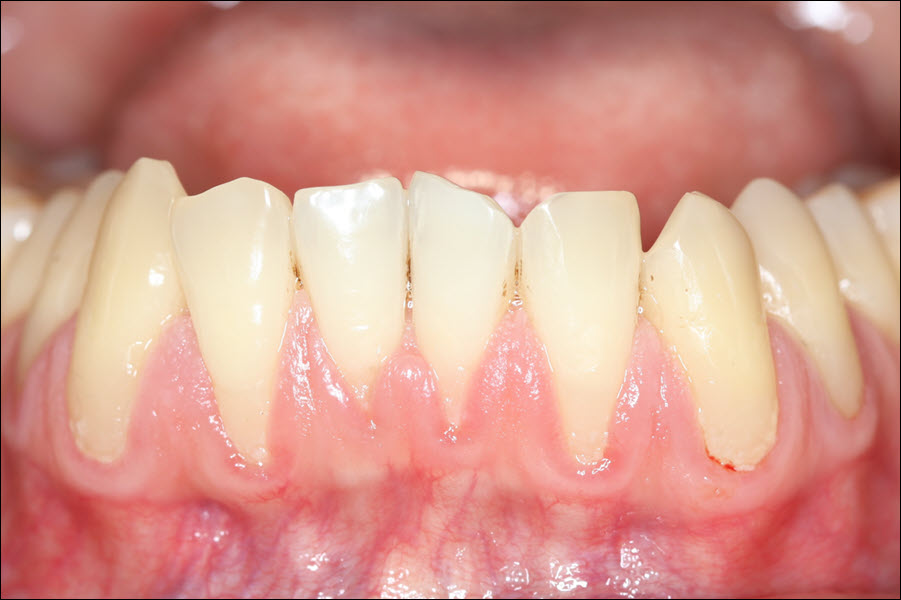 Gum recession often develops gradually. You may notice increased tooth sensitivity, especially when consuming hot or cold foods. Teeth may appear longer due to exposed roots.
You might also see notches near the gumline or experience bleeding and inflammation. In advanced cases, loose teeth can occur.
Recognizing these symptoms early allows you to seek treatment before the condition worsens.
Treatment Options for Gum Recession
Treatment depends on the severity of the recession. In early stages, your dentist may recommend improved oral hygiene and professional cleanings to control plaque buildup.
For more advanced cases, deep cleaning procedures like scaling and root planing remove bacteria below the gumline. This helps the gums heal and reattach to the teeth.
In severe cases, surgical options such as gum grafting may be necessary. This procedure uses tissue to cover exposed roots and restore the gumline.
Your dentist will determine the best approach based on your condition.
How to Prevent Gum Recession
Prevention starts with proper oral care. Brush gently using a soft-bristled toothbrush and fluoride toothpaste. Avoid applying too much pressure when brushing.
Floss daily to remove plaque between teeth and along the gumline. Regular dental visits help detect early signs of gum issues and keep your mouth healthy.
If you grind your teeth, consider a night guard to reduce pressure on your gums. Avoid tobacco products, as they contribute to gum damage.
Maintaining a balanced diet and staying hydrated also support overall gum health.
Protect Your Smile for the Future
Gum recession can affect both your oral health and appearance, but early action makes a difference. By recognizing symptoms, seeking treatment, and practicing good habits, you can slow or prevent further damage.
Consistent care and professional guidance help keep your gums strong and your smile healthy for years to come.