
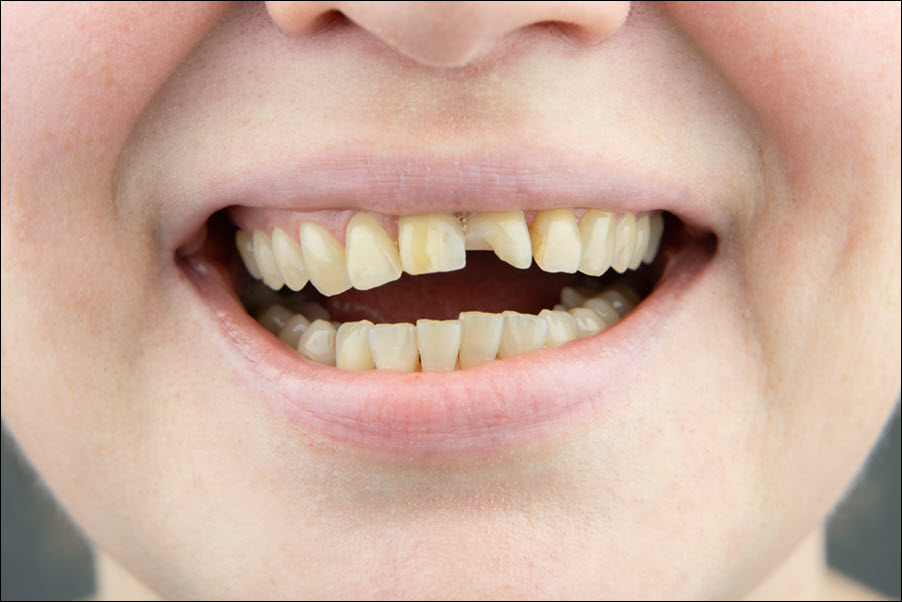
The Process of Dental Bonding Explained Step by Step
Dental bonding is one of the simplest cosmetic procedures, yet it delivers impressive results. Using tooth-colored resin, dentists repair chips, cracks, discoloration, and small gaps. The procedure is minimally invasive and affordable, making it a popular choice. Understanding each step of the bonding process helps patients feel more comfortable and confident before treatment.
Step 1: Consultation and Planning
The process begins with an examination and discussion of goals. The dentist evaluates tooth structure and overall oral health to confirm bonding is appropriate. Patients often share concerns such as chips, stains, or uneven edges. The dentist selects a resin shade that closely matches natural enamel, ensuring a seamless result. Planning is quick but essential to achieving natural, attractive outcomes.
Step 2: Tooth Preparation for Dental Bonding
Unlike crowns or veneers, bonding requires little or no enamel removal. The dentist roughens the tooth surface slightly and applies a conditioning liquid to improve adhesion. These simple steps make bonding far less invasive than other cosmetic treatments. Patients appreciate the speed and comfort of this stage, which requires no anesthesia in most cases.
Step 3: Applying and Shaping Resin
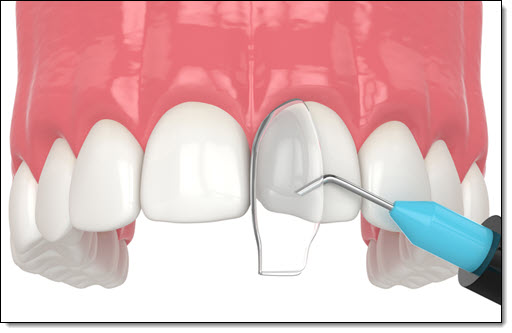 Next, the dentist applies composite resin to the tooth. The material is sculpted carefully to match the natural contour and shape. This artistic step ensures the restoration blends with surrounding teeth. Dentists may add layers of resin to build strength and achieve the desired result. Precision at this stage determines both aesthetics and durability.
Step 4: Hardening and Finishing
A curing light hardens the resin within seconds, bonding it securely to the tooth. The dentist then trims, shapes, and polishes the restoration for a smooth finish. Polishing enhances the natural shine and ensures the bonded tooth matches surrounding enamel. Patients leave the appointment with immediate results that require no downtime.
Longevity and Aftercare
Bonding lasts 5–10 years with proper care. Patients should avoid biting hard objects, chewing ice, or using teeth as tools. Regular brushing, flossing, and dental visits maintain both appearance and strength. Over time, bonding may require touch-ups due to wear or staining. With good habits, bonding provides reliable and attractive results.
Dental bonding is quick, comfortable, and highly effective for minor imperfections. By understanding the step-by-step process, patients can approach treatment with confidence. The simplicity and affordability of bonding make it an excellent option for enhancing smiles.

